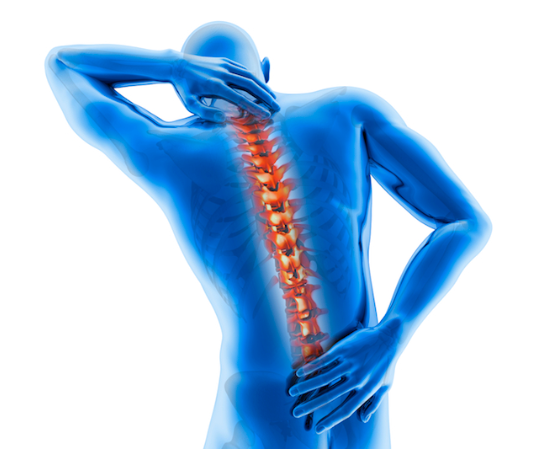
- Types of spinal fractures:Spinal fractures can involve different parts of the vertebrae, including the vertebral body (compression fractures), the vertebral arch (fracture-dislocations), or both. These fractures can occur in the cervical (neck), thoracic (upper back), or lumbar (lower back) regions of the spine.
- Causes:Spinal fractures can result from traumatic injuries such as falls, motor vehicle accidents, sports injuries, or violence. They can also occur spontaneously or due to weakened bone structure from conditions like osteoporosis, bone tumors, or infections.
- Diagnosis:Diagnosis typically involves a thorough medical history, physical examination, and imaging studies such as X-rays, CT scans, or MRI scans. These tests help determine the location, type, and extent of the spinal fracture and assess for any associated spinal cord or nerve root compression.
- Treatment: For stable fractures or fractures that do not cause neurological symptoms, conservative treatments such as rest, pain medications, bracing, and physical therapy may be recommended.
Surgery may be necessary for unstable fractures, fractures causing spinal cord compression or nerve damage, or fractures that fail to heal with conservative treatment. Surgical options may include spinal fusion, vertebroplasty, or kyphoplasty to stabilize the spine and relieve pressure on nerves.
Spinal fractures, also known as vertebral fractures, can occur due to various reasons such as trauma, osteoporosis, or underlying medical conditions affecting bone strength. Here's some detailed information on spinal fractures:
- Symptoms:The symptoms of a spinal fracture can vary depending on the severity and location of the fracture. Common symptoms include sudden onset of back pain that worsens with movement, limited spinal mobility, muscle spasms, numbness or tingling in the limbs, difficulty walking, and in severe cases, loss of bowel or bladder control.
- Complications:Complications of spinal fractures can include chronic pain, loss of mobility, spinal deformity (such as kyphosis or scoliosis), and in severe cases, neurological deficits such as paralysis or loss of sensation.
- Rehabilitation and recovery:Rehabilitation plays a crucial role in the recovery process after a spinal fracture. Physical therapy and rehabilitation programs help restore strength, mobility, and function, reduce pain, and prevent complications such as muscle weakness or stiffness.
- Prevention: Preventive measures for spinal fractures include maintaining bone health through regular exercise, adequate calcium and vitamin D intake, avoiding smoking and excessive alcohol consumption, and taking precautions to prevent falls and accidents.
- Long-term management:Long-term management of spinal fractures may involve regular follow-up appointments with healthcare providers to monitor healing progress, manage pain, and address any ongoing issues related to spinal health and function.
- Understanding spinal fractures and their management is crucial for healthcare providers and individuals affected by these injuries to ensure appropriate treatment and rehabilitation strategies are implemented to optimize outcomes and quality of life.