- Types of migraines:Some people experience specific warning signs or symptoms (aura) before the onset of headache. These can include visual disturbances like flashes of light or blind spots, tingling sensations in the face or hands, or difficulty speaking.
- Symptoms:The primary symptom of migraine is a throbbing headache, typically on one
side of the head, although it can affect both sides. Other symptoms that may accompany a
migraine attack include:
Nausea and vomiting
Sensitivity to light (photophobia) and sound (phonophobia)
Dizziness or vertigo - Triggers:Migraine attacks can be triggered by various factors, which can vary widely
among individuals. Common triggers include.
Hormonal changes in women (related to menstrual cycles, pregnancy, or menopause)
Certain foods or beverages (such as aged cheeses, processed meats, alcohol, and caffeine)
Stress, anxiety, or emotional triggers - Treatment: Medications such as nonsteroidal anti-inflammatory drugs (NSAIDs), triptans (which help constrict blood vessels and block pain pathways), and anti-nausea medications are used to relieve pain and associated symptoms during an attack.
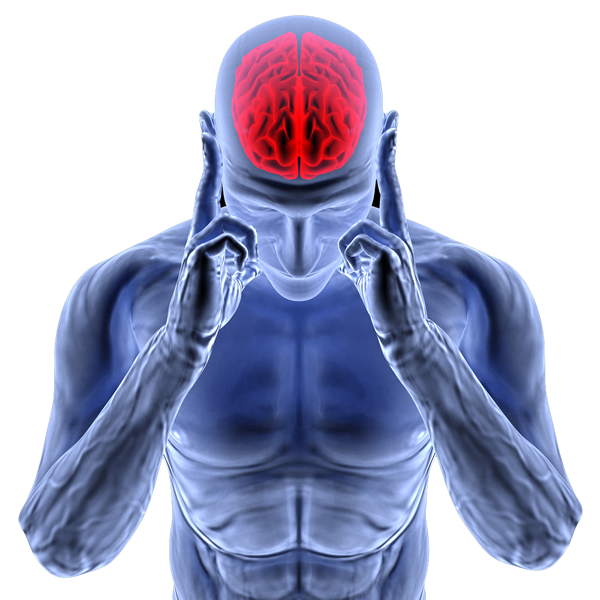
Migraine is a neurological disorder characterized by recurrent episodes of severe headache, often accompanied by other symptoms such as nausea, vomiting, and sensitivity to light and sound. Here’s a comprehensive look at migraine:
- For individuals with frequent or severe migraines, medications (such as beta-blockers, anticonvulsants, or antidepressants) may be prescribed to reduce the frequency and severity of attacks.
- Impact on daily life: Epilepsy can vary widely in its impact on daily activities. For some individuals, seizures may be well-controlled with medication and have minimal impact. Others may experience frequent seizures that disrupt daily routines, work, and social activities.
- Lifestyle modifications, stress management techniques, regular exercise, adequate sleep, and dietary adjustments can also help manage migraines. Some people find relief through complementary therapies such as acupuncture or biofeedback.
- Impact on daily life: Migraine can significantly impact daily activities, work, and social interactions during and between attacks. Understanding triggers, managing stress, and having a support system are important for coping with the condition.
- Research and advancements:Ongoing research continues to improve understanding of migraine mechanisms, develop new treatment options, and explore personalized approaches to management based on individual factors.
- By addressing these aspects, healthcare providers can tailor treatment plans to meet the specific needs of individuals with migraine, aiming to reduce the frequency and severity of attacks and improve overall quality of life.